

Becoming Data-Driven
 Benny Andrén
Part 1. Transform your culture & people for success
Introduction
Over the past decade, we’ve all heard the phrase, “data is the new oil,” originally coined by British mathematician Clive Humby in 2006. While many organizations are swimming in data, few have mastered the ability to turn it into meaningful insights that drive smarter decisions. After 15 years of leading teams in product management and data, I’ve seen firsthand that the companies that truly leverage data are those with a culture deeply rooted in it — where data is central to every decision. Those companies let insights, not assumptions, guide the way forward.
But here’s the catch: becoming data-driven doesn’t start with technology. It starts with people. You can build the most sophisticated data infrastructure in the world, but if your team doesn’t know how to use it — or worse, doesn’t want to — your efforts will fall flat.
In this series on how to become data-driven, I’m not talking about tools or infrastructure yet. I’m diving into something much more fundamental: culture. I’m going to challenge you to rethink how you, your leaders, and your team interact with data — and how you can create a culture where data isn’t just available, but central to every decision.
This first article will present the following:
- What is a Data-driven culture?
- Key charachteristics of a data-driven company
- Leadership’s role
- How to empower employees with data literacy
- Break down silos for cross-depertmental collaboration
- How to build a data-driven culture: concrete tips
- Conclusion and call-to-action
1. What Is a Data-Driven Culture?
At its core, being data-driven means using data to drive decisions, not as an afterthought but as the foundation of every move you make.
The ugly truth is that you cannot measure success in data drivenness by the presence of data, number of dashboards or data in meetings.
This behaviour makes data an accessory, instead of a necessity.
In most organizations, this shift doesn’t happen overnight. More often than not, companies are stuck in a reactive loop, where data is used only to justify decisions that have already been made, instead of guiding future actions. This behaviour makes data an accessory, instead of a necessity.
So, what does a true data-driven culture look like? Picture a company where data is not just accessible but integral. From the CEO to the intern, everyone knows how to find, interpret, and use data to back up their work. It’s about having open, transparent access to insights and making sure everyone knows how to leverage them. Importantly, it’s about fostering a mindset where data isn’t just used to solve yesterday’s problems — it’s used to anticipate tomorrow’s.
Here’s how I think about it: in a data-driven culture, trust in data is key. Teams don’t just take a number at face value; they know how to question it, interpret it, and apply it to their work. This means employees need the skills and confidence to challenge assumptions, ask better questions, and explore new patterns that may not be immediately obvious.
2. Key characteristics of a data-driven company:
These are the top three characteristics of how to identify a data-driven culture at a company, ask yourself how you would grade your company in these:
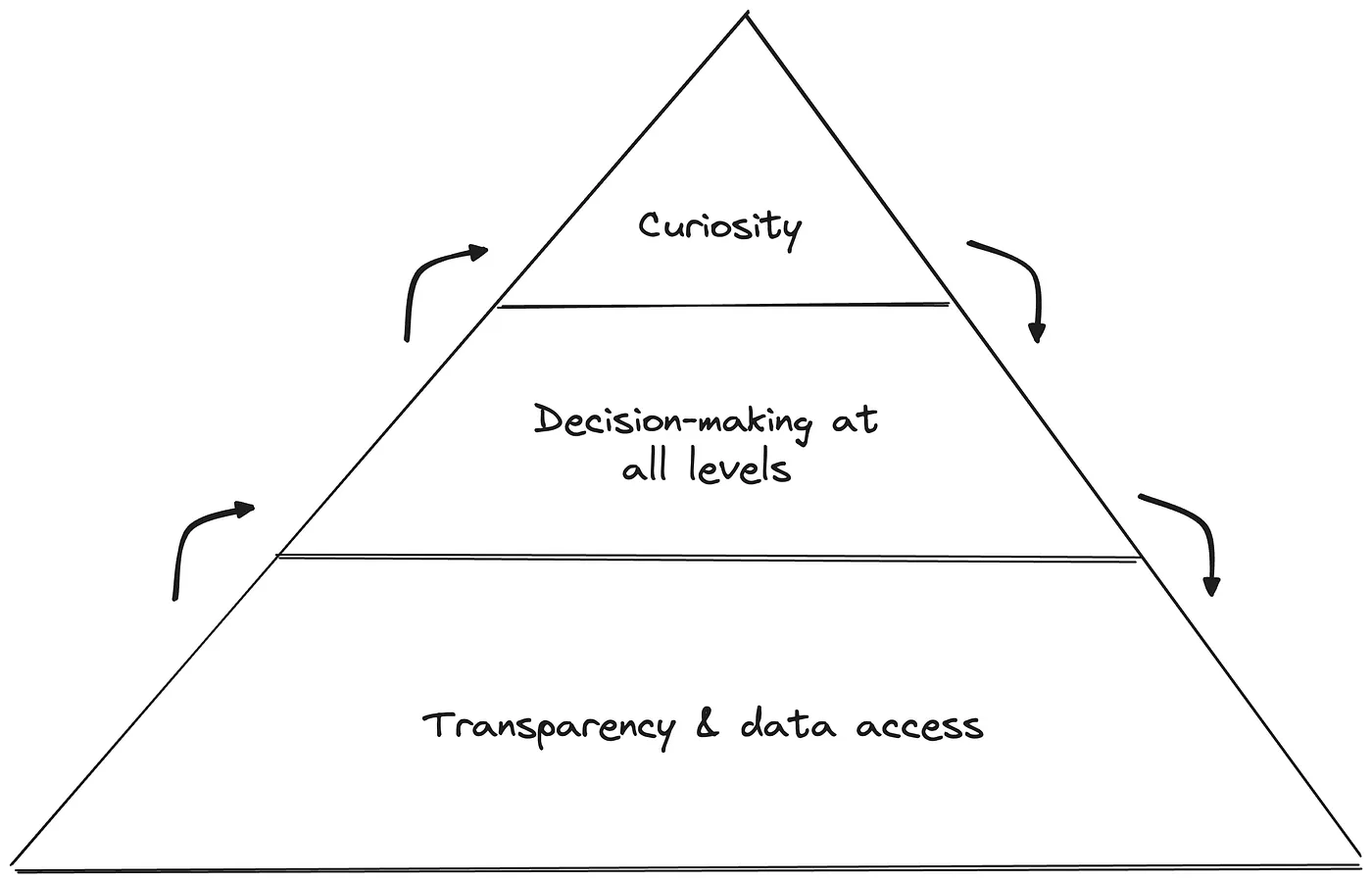
Figure 1. Key characteristics of a data-driven culture
1. Transparency: Data isn’t siloed or locked away. Every team member has access to the insights they need, and decisions are made with open data rather than gut feelings or assumptions.
2. Decision-making at all levels: It’s not just senior leadership or specialized teams using data. Everyone, from sales reps to marketing interns, is empowered to use data to make informed decisions.
3. A culture of curiosity: In a truly data-driven organization, employees aren’t just checking dashboards — they’re asking why. They question the data, dig deeper, and explore new ways to leverage insights for innovation.
3. Leadership’s role: Drive a data-first mentality
No cultural shift happens without leadership leading the charge, and a data-driven culture is no exception. In fact, the most data-savvy companies are the ones where the leadership team doesn’t just preach about data — they use it themselves to make decisions.
If leaders don’t adopt a data-first mindset, the rest of the organization won’t either.

Photo by Brooke Lark on Unsplash
For example, Capital One’s leadership revolutionized banking by using data to personalize credit offers and improve customer acquisition. Airbnb uses data to inform everything from pricing algorithms to personalized guest recommendations, creating a culture of constant experimentation. Similarly, Zara leverages real-time data from its stores to inform its production and inventory decisions, ensuring that the entire supply chain is responsive to customer demand. These companies demonstrate how leaders not only embrace data-driven decisions themselves but foster a culture where data use is integral to the organization’s success.
If leaders don’t adopt a data-first mindset, the rest of the organization won’t either. As a leader, this means two things: leading by example and creating an environment where data use is expected, not optional.
1. Leading by Example: Leaders must integrate data into their decision-making processes. When executives use data in board meetings, quarterly reviews, or strategy sessions, they set the tone. By making data visible in every aspect of leadership, you signal to the organization that insights, not assumptions, drive decisions.
2. Setting Clear Expectations: Leaders must create an environment where data use is not just encouraged but required. This involves setting data-driven KPIs, rewarding decisions based on data, and holding teams accountable for using data to justify their actions. Teams should understand that gut-feel decisions without data to support them won’t be acceptable. As Spotify put it, “It’s not about trusting your gut, it’s about testing your gut” — a mindset that emphasizes validating intuition with data for more informed decision-making.
“It’s not about trusting your gut, it’s about testing your gut.” — Spotify: A Product Story 10: In pursuit of the perfect session
But leading a data-driven culture doesn’t just stop with top management. Mid-level managers, team leads, and department heads must all be aligned with this mentality. This requires consistent communication from leadership, along with clear guidelines or at least a vision for how data is expected to be used across different functions.
4. Empower employees with data literacy

Photo by Kimberly Farmer on Unsplash
Data literacy needs to be treated as a core skill across your organization, just like communication or problem-solving.
Let’s talk about people. The real key to being data-driven is enabling every team member, not just the data scientists, to be fluent in data. This is where data literacy comes in — the ability to read, work with, and understand data in a way that makes it useful for decision-making.
Data literacy needs to be treated as a core skill across your organization, just like communication or problem-solving. But here’s the thing: most organizations overlook it.
1. Provide data training and upskilling: Invest in ongoing training to improve data literacy across the board. This doesn’t mean turning everyone into a data scientist — but it does mean giving employees the tools and confidence to interpret data relevant to their work. Whether it’s training sessions, online courses, or hands-on workshops, your team needs to be continuously improving its data skills.
2. Create a safe space for experimentation: People learn best when they have room to experiment. Encourage employees to play around with data and explore insights without fear of failure. Not every analysis will lead to groundbreaking conclusions, but fostering a culture where employees feel comfortable exploring data will lead to more innovation in the long run.
3. Designate “Data Champions”: Empower certain employees to be “data champions” or internal ambassadors who can help guide their peers. These champions can act as go-to resources, bridging the gap between data experts and the rest of the organization. By decentralizing data expertise, you make data more accessible and less intimidating.
5. Break down silos for cross-departmental collaboration
A data-driven culture can only thrive when data is available, shared, and trusted across the organization. One of the biggest obstacles to becoming data-driven is data silos — when departments or teams hoard data, preventing it from being accessible to the rest of the company.
For data to drive decision-making, it can’t live in isolated pockets.
1. Invest in Cross-Functional Collaboration: Start by breaking down these silos. Encourage collaboration between departments by implementing shared data platforms, dashboards, or even cross-departmental teams. When teams can share insights with each other, the organization as a whole benefits from a more holistic view.
2. Promote Data Accessibility: Make sure data isn’t only accessible to IT or data teams. Implement systems where different departments can easily access the data they need. Whether it’s through self-service tools or shared dashboards, teams need to have the freedom to work with data independently.
3. Recognize and share wins: When teams demonstrate they are using data successfully, it’s important to showcase those achievements. For example, if the product and analytics teams discover that only 0.5% of users are still on outdated browsers or devices, this insight can allow the development team to stop supporting those versions. As a result, they free up valuable time and resources that can be redirected towards more impactful projects. Not to mention the pure joy it would bring (most) developers. Publicizing these kinds of successes not only highlights the benefits of acting data-driven but also offers concrete examples that other teams can follow, facilitating collaboration along the way.
6. How to build a data-driven culture: concrete tips
So, how do you actually build this kind of culture in practice? Here are a few actionable tips to help you along the way:
1. Reward data-driven behavior: Reward teams and individuals who consistently use data to make better decisions. This could be through recognition in meetings, company newsletters, or even performance-based incentives. It’s not enough to simply expect data-driven behavior — you need to recognize and reward it.
2. Simplify access to data: Create systems where data is easily accessible to everyone, not just the data experts. This might involve setting up user-friendly dashboards, adopting self-service analytics tools, or creating dedicated teams to ensure data availability. The more accessible data is, the more it will get used.
3. Tell data success stories: Create internal case studies or share stories of how teams used data to solve problems or improve outcomes. This helps reinforce the importance of using data and gives employees concrete examples of what being data-driven looks like.
4. Encourage Critical Thinking: Don’t just ask for data-backed decisions — ask for good questions. Encourage teams to challenge assumptions, dig into the “why,” and look beyond surface-level metrics. Data-driven culture isn’t about taking numbers at face value; it’s about fostering curiosity and deeper understanding.
7. Conclusion and call-to-action
Becoming data-driven starts with culture. It starts with empowering your people to not just use data but to trust, question, and experiment with it. Leadership sets the tone, but employees drive the movement forward. The companies that succeed with data are the ones that embrace it at every level, across every department, and in every decision.
Now, take a moment to reflect: is your organization truly data-driven, or do you just have data lying around? What steps can you take today to begin fostering a data-driven culture in your workplace?
In the next article, we’ll dive into the tech and tools that make this culture possible, but remember — none of it matters without the right people and the right mindset in place first.
I’m committed to challenging the status quo, and fostering a data-driven culture is a key part of that. I also welcome challenges to my ideas, whether here or elsewhere.
Thanks for reading.