

The Quiet Relief of Asking Dumb Questions Again
 Blanka Kesek
Professional life is full of things we’ve quietly stopped asking about. With AI assisted learning, we’ve got a great opportunity to get some of it back.
I remember what it felt like to learn at university. Not the content, most of that is long gone, but the mindset of it. You showed up explicitly to not know things. Asking a question in a tutorial, even basic ones, was the whole point. Nobody was billing hours. Nobody was thinking about getting promoted.
Something happens to that mindset when you enter a profession. It doesn’tt go away overnight, but it quietly erodes as titles go from junior to senior. Asking questions, that once felt natural, can feel a decade later like a small professional risk.
When Curiosity Becomes a Cost

Photo by Picas Joe on Pexels
Some of it is simply the nature of the job. At university, understanding something deeply was the deliverable. In a profession, it’s just a stepping stone, and potentially a slow one. You learn because you need to produce, and that reframes your relationship with not knowing. To some extent curiosity becomes a cost, not a virtue.
Partly it’s the various roles we take on as professionals. Today my colleague is a teacher, tomorrow we’re peers on the same project, arguing for different approaches to a problem. The “face” I’ve lost in one context doesn’t go away just because we’ve switched meeting rooms.
Then there’s the question you’ve already asked. As someone who’s worked with hourly billing for the better part of a decade, there’s nothing I hate more than wasting people’s time. Asking the same question twice, because the answer wasn’t written down the first time, is something I avoid doing, and expect the same from others. And before you even get to the question, there’s the setup: reconstructing the context for whoever you’re asking, getting them up to speed before they can help you. It’s a small tax, but it adds up.
Enter the AI Teacher
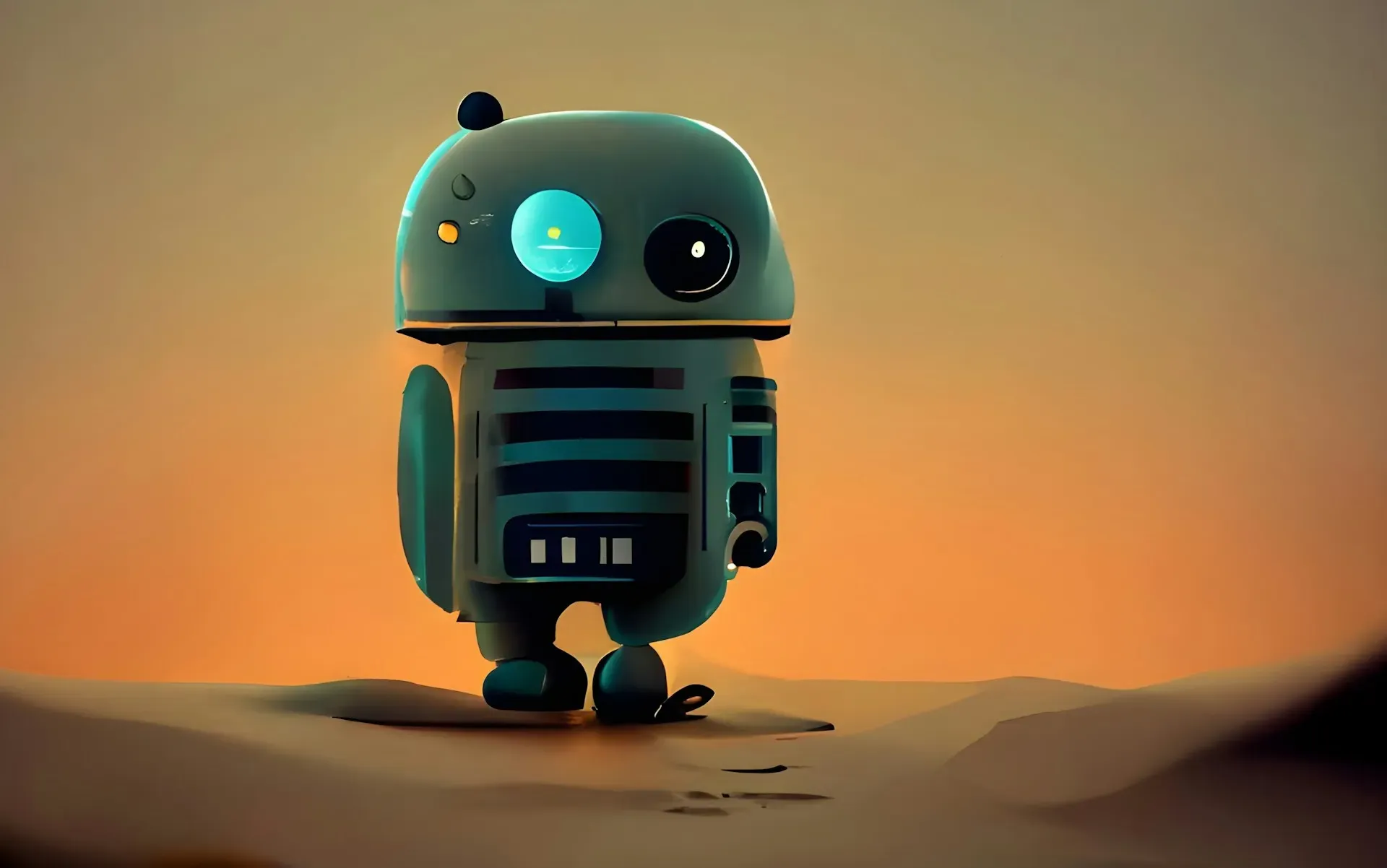
Photo by Justin Ha on Unsplash
And then I started using an AI assistant for coding, specifically Claude Code. Judgement free, no hourly rate, no memory of the question I asked last week. I didn’t realise how much I’d been quietly censoring my own curiosity until I suddenly didn’t have to. Now, don’t get me wrong, I have the best co-workers I could ask for, a genuinely safe space. But even there, I feel better not wasting their time with “what does sudo do?” or “how do I navigate the filesystem?”. Instead we get to talk about more complex issues and fundamental ideas behind the code.
Part of what makes this work so well is the proximity. No window switching, no context loss, just a conversation happening directly alongside my code, with changes appearing in my editor in real time. I’ve only experienced this with Claude Code, but I’d be surprised if the principle didn’t hold elsewhere, whether that’s another coding tool or learning something else entirely.
Full circle
At university, curiosity was the whole point. Somewhere along the way it became a liability, not because I got lazier, but because the environment made it costly in more ways than one. What surprised me about AI-assisted coding wasn’t the productivity gain. It was getting the learning mindset back, in a context where I’d stopped expecting to find it at all. That’s not a small thing. The tools that help you produce are everywhere. The ones that also let you think out loud, without consequence, are rarer than they should be.